
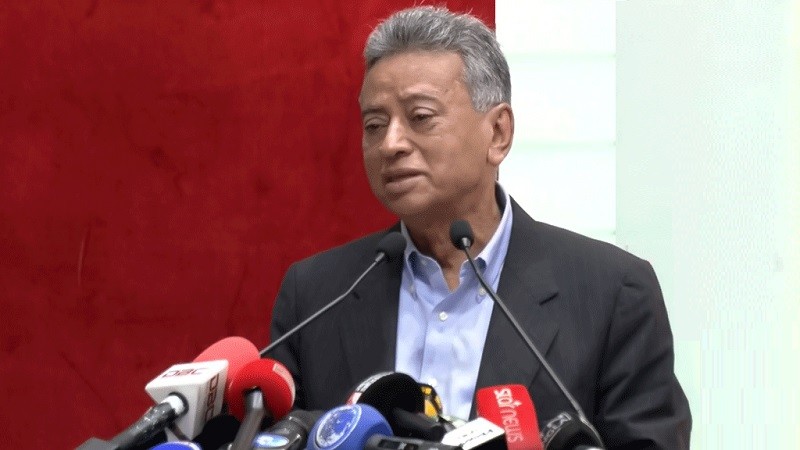
The core philosophy of the upcoming national budget for the 2026-27 fiscal year will be the democratization of the economy and the inclusion of the poor and marginalized communities in mainstream economic activities. This was stated by Finance and Planning Minister Amir Khosru Mahmud Chowdhury.
He made these remarks as the chief guest at a seminar titled ‘Budget 2026-27: Expectations and Reality,’ organized by the Economic Reporters Forum in the capital on Tuesday (June 2).
The Finance Minister said that low-income people have been the most deprived in the country’s budgets. Therefore, the new budget prioritizes the poor, low-income communities, and housewives. He stated that the current government is working to fulfill public expectations even amidst a fragile economic situation.
He mentioned that under the ‘Family Card’ program, money will be sent directly to the bank accounts of beneficiaries, ensuring no political influence or involvement of middlemen. Additionally, initiatives have been taken to ensure food security and improve the living standards of farmers through the introduction of ‘Farmers Cards’.
Regarding the health sector, the Finance Minister stated that people in the country are spending extra money out of their own pockets for healthcare. For this reason, the government is emphasizing the expansion of universal and primary healthcare. Private sectors and NGOs will be involved in this initiative alongside government institutions.
He further added that the ‘Creative Economy’ program has been adopted to involve blacksmiths, potters, weavers, small artisans, theater workers, and cultural workers in economic activities. They will receive support for skill development, loan assistance, design, branding, and marketing.
Referring to opening up the economy further, he said that unnecessary regulations and bureaucratic complexities will be reduced to build a de-regulated economy. Special initiatives are also being taken to adequately include rural people and women in economic activities.
He stated, “GDP does not only come from industries and factories; culture, sports, and creative sectors can also make significant contributions to the economy.”
The Finance Minister also announced the launch of a dashboard system for monitoring development projects across various ministries during budget implementation. He expressed hope that this would enable quick identification of project delays and responsible individuals.
Regarding the capital market, he said that the Bangladesh Securities and Exchange Commission is being restructured, and a new commission with professional and experienced individuals will be formed soon. This will increase the confidence of both domestic and foreign investors, and companies will be able to raise funds more easily.
The event was chaired by Daulat Akter Mala. Fahmida Khatun, Azam J. Chowdhury, and Shawkat Aziz Russel were present as special guests.

