
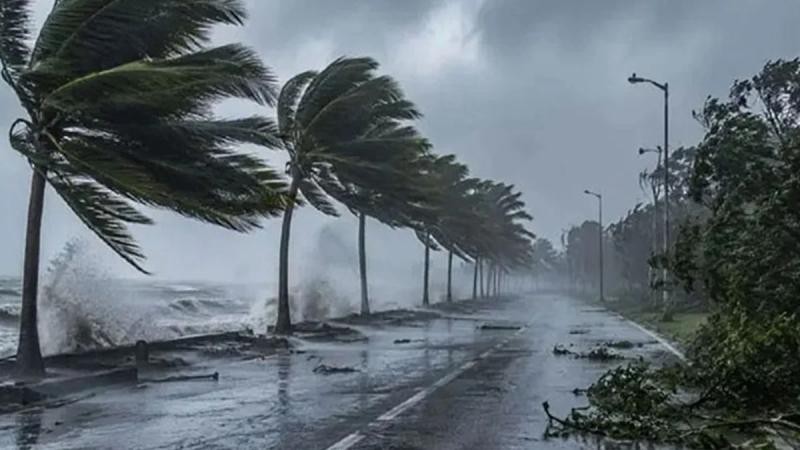
Masudur Rahman: November 2026 stands at a sensitive juncture for global weather, climate, and the natural environment. The impact of a powerful ‘El Niño’ climate cycle on human-induced global warming is leading to extreme weather anomalies worldwide.
According to recent data from the European Union’s climate monitoring agency, 2026 is on track to become one of the warmest years in history—possibly the second warmest. The World Meteorological Organization (WMO) has warned that the warming effect of the current El Niño has intensified since August, and its peak influence could continue from December through February 2027.
In November, the world witnessed peculiar and contrasting weather patterns across various regions. While global average temperatures remained above normal, the weakening polar vortex allowed frigid Arctic air to penetrate Western and Central Europe. This led to forecasts of severe cold waves and snowfall in several parts of Europe. Earlier in mid-November, the ‘Charles’ storm caused floods and disrupted communication systems in Southern Europe, while thunderstorms and flash floods in Iraq, Middle East, resulted in fatalities. North America also experienced unusual events; a rare November tornado struck Delaware, USA, and some of the year’s largest ocean swells kept coastal communities on alert in California. Parts of East Africa faced drought conditions, with low rainfall creating dry situations in southeastern Ethiopia and Somalia.
The North Indian Ocean and the Bay of Bengal also felt the clear impact of November’s weather. Early in the month, Cyclone ‘Murasu’ crossed the South Andhra coast, followed by Cyclone ‘Akvan’ in the third week of November, which advanced towards the Andhra and Odisha coasts. According to analysts, ‘Akvan’ moved relatively slowly, causing prolonged rainfall in the affected regions, which increased the local risk of flooding. In Bangladesh, while overall rainfall was less than normal in November, coastal and eastern areas experienced cloud cover and rain. Additionally, light fog was observed in river basins during late night and early morning, and the onset of winter was gradually becoming evident in the northern regions.
The influence of the powerful El Niño is not limited to storms, rain, or temperatures; it is also bringing unexpected changes to nature’s delicate balance and biodiversity. Due to warm Pacific currents and altered weather patterns, unusual rainfall in Chile’s arid Atacama Desert has caused dormant seeds to sprout, leading to a vibrant display of hundreds of flower species. Conversely, changes in ocean currents have brought forth environmental risks such as red crab migration and food scarcity for Galapagos penguins. Furthermore, with shrinking green cover and wetlands due to urbanization pressure, the urban heat island effect is intensifying in cities. Extreme weather events like heatwaves, droughts, and floods, exacerbated by climate change, are also creating new pressures on public health through their impact on agriculture, food security, and the spread of mosquito-borne diseases.
Overall, this November once again reminds the world that there is no alternative to early warning systems, sustainable urban planning, and reducing greenhouse gas emissions to combat these rapid climate changes.

